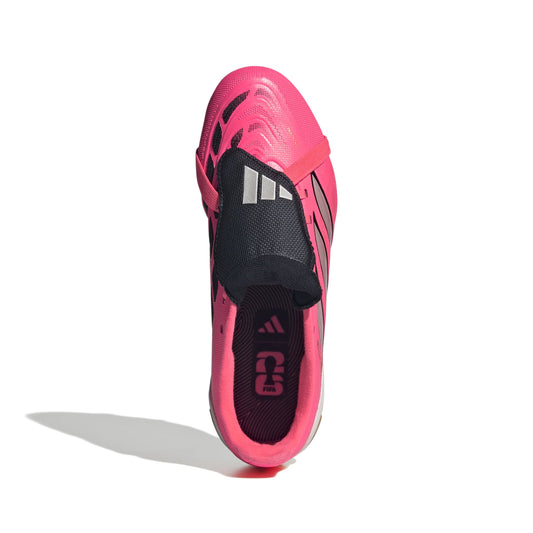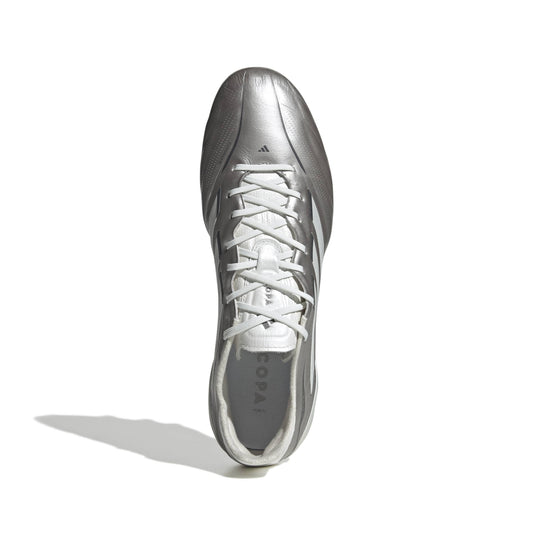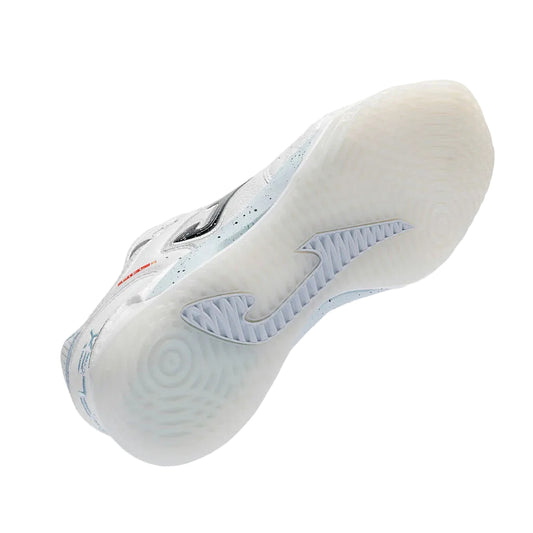
Buying football boots sounds simple until you're staring at 100+ options across four surface types, a dozen brands and price points ranging from $60 to $400. Whether you're a weekend warrior at your local five-a-side, a junior starting their first season, or a competitive player chasing every edge, the right boot makes a genuine difference to comfort, performance and injury prevention.
This guide breaks it down — surface types, fit, position, budget and the brands we stock at Soccer World — so you can walk in (or shop online) knowing exactly what you need.
Step 1: Match the Boot to the Surface
This is the single most important decision and the one most people get wrong. Playing on the wrong surface with the wrong studs wears out boots faster, increases injury risk and kills your traction.
Firm Ground (FG)
The most popular type in Australia. Designed for natural grass fields — the standard surface at parks, school ovals and most club grounds. FG boots use moulded studs (usually conical or bladed) that grip into natural turf without being overly aggressive.
Park football, club training on grass, weekend social games on natural turf.
Artificial Turf / Turf (AG/TF)
If your local five-a-side centre or training ground uses synthetic grass, you need AG or TF boots. These have shorter, more numerous rubber studs that spread pressure evenly across the harder artificial surface. Wearing FG boots on synthetic turf is uncomfortable and wears the studs down quickly.
Synthetic pitches, five-a-side centres, 3G/4G surfaces.
Indoor (IC/IN)
Flat rubber outsoles designed for hard indoor courts — futsal, school gyms and indoor centres. No studs at all. They offer grip without marking the floor and typically feel lighter and lower-profile than outdoor boots.
Futsal, indoor centres, gymnasium surfaces.
Soft Ground (SG)
Metal screw-in studs for wet, muddy or waterlogged natural grass. Less common in Queensland but relevant for winter seasons in southern states. Most players won't need SG unless they're playing competitive football on heavy fields.
Multi-Ground (MG)
A hybrid option with studs designed to work across firm and artificial surfaces. Convenient if you train on one surface and play matches on another, though they're never quite as good as a dedicated FG or TF boot on either surface.
Step 2: Get the Fit Right
A boot that fits well should feel snug without pinching. Here's what to check:
- Length — Leave about half a thumb's width (5–10mm) between your longest toe and the front of the boot. Too tight and you'll lose toenails; too loose and you'll lose control.
- Width — This is where brands differ. adidas tends to run narrow (especially the X line). Puma King and Mizuno Morelia are traditionally wider. Nike Tiempo sits in between.
- Break-in period — Leather boots (kangaroo leather or calfskin) will stretch and mould to your foot over 2–3 sessions. Synthetic uppers generally won't stretch much, so they need to fit well out of the box.
- Try them on in the afternoon — Feet swell during the day. Trying boots on in the afternoon gives you a more accurate fit.
- Wear your match socks — Bring the socks you'll actually play in. Thick socks change the fit.
If you're in Brisbane, come into our Stafford store and we'll help you find the right fit in person. We've been fitting boots for over 25 years.
Step 3: Consider Your Position and Playing Style
Your position influences what you need from a boot, though comfort and fit always come first.
Forwards / Strikers
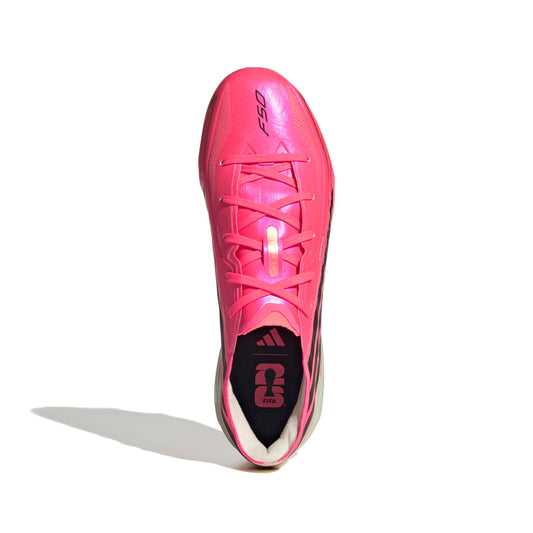
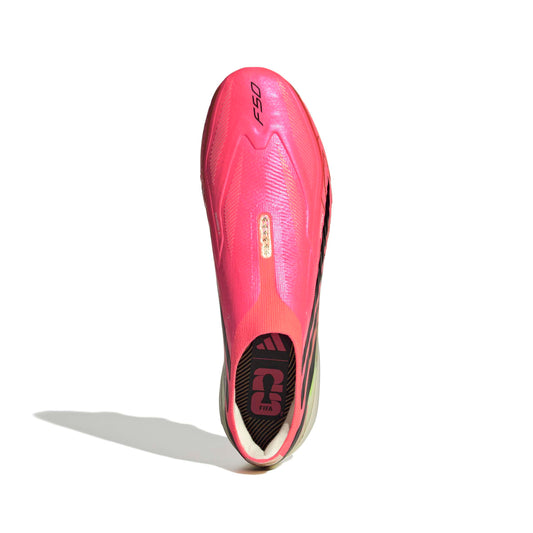
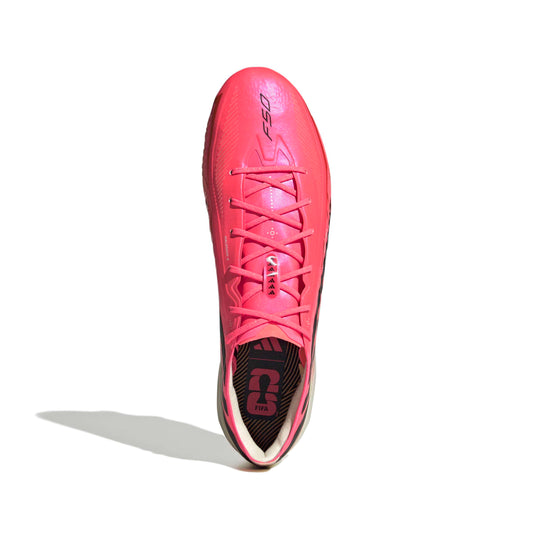
Speed-oriented boots with a lightweight build and a clean striking zone. Look at the adidas X or adidas F50 — both are built for acceleration and a sharp touch in front of goal.
Midfielders
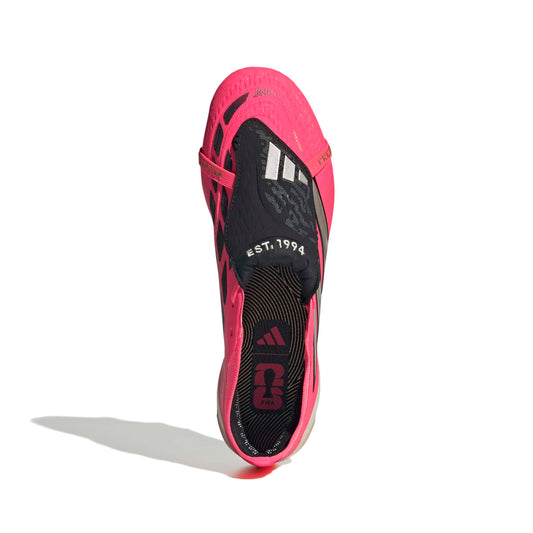
Control and touch matter most here. The adidas Predator is a classic midfield boot — textured upper for passing accuracy, good cushioning for all-day comfort. The adidas Copa is another strong choice if you prefer a leather feel.
Defenders
Durability and a solid touch for clearances. Leather boots like the Puma King or Mizuno Morelia offer a natural feel and tend to last longer under heavy use. Wider fit options are also more common in these lines.
Goalkeepers
GKs need grip and stability. Firm ground boots with good ankle support work well. Comfort matters more than weight since you're not sprinting for 90 minutes. Any of the above brands in an FG configuration will do the job.
Step 4: Set Your Budget
You don't need to spend $350 to get a good boot. Here's a rough breakdown of what each price tier gets you:
- Under $100 — Entry-level boots, synthetic upper, basic stud pattern. Great for juniors, casual players and anyone who plays once a week.
- $100–$200 — Mid-tier boots, better materials, improved stud configuration, lighter weight. The sweet spot for most club-level players.
- $200–$300 — High-performance boots, premium materials, advanced traction and lockdown features. Serious players who train 2–3 times a week.
- $300+ — Pro-level boots, top-of-the-line materials and tech, ultra-lightweight. The same boots worn by professionals.
Step 5: Buying Boots for Kids and Juniors
Kids grow fast, so here's the practical advice:
- Don't buy two sizes too big — It's tempting to get extra room to "grow into" but oversized boots affect balance, technique and confidence. One size up is the maximum.
- Velcro or laceless for younger kids — Easier to get on and off, and they won't come undone mid-game.
- Synthetic is fine — Junior boots don't need to be premium leather. Synthetic uppers are lighter, cheaper and easier to clean.
- Replace when needed — If studs are worn flat, the sole is separating, or the boot is genuinely too small, it's time. Worn-out boots are an injury risk.
Quick Reference: Boot Types at a Glance
| Surface | Stud Type | When to Use |
|---|---|---|
| Firm Ground (FG) | Moulded plastic/rubber | Natural grass, dry conditions |
| Turf (TF/AG) | Short rubber nubs | Synthetic grass, 3G/4G pitches |
| Indoor (IC) | Flat rubber sole | Futsal courts, gymnasiums |
| Soft Ground (SG) | Metal screw-in | Wet/muddy natural grass |
| Multi-Ground (MG) | Hybrid studs | Mixed surfaces |
Find Your Perfect Boot at Soccer World
Shop online with free shipping over $200 or visit us in-store at 1/241 Stafford Road, Stafford QLD. We've been fitting boots since 1999.
Shop All Football BootsFAQs
What football boots should I buy for synthetic turf?
Look for boots labelled AG (Artificial Ground) or TF (Turf). These have shorter, more numerous studs designed for synthetic surfaces. Wearing FG boots on synthetic turf wears them out faster and gives less grip.
How often should I replace my football boots?
It depends on how often you play. For someone training twice a week and playing on weekends, expect 6–12 months from a mid-tier boot. Replace them when the studs are worn smooth, the sole separates, or the upper has holes.
Are expensive boots worth it?
For casual and social players, probably not — a $120 boot will perform well and last. For competitive players training multiple times a week, higher-tier boots offer better materials, lighter weight and improved touch that you'll notice on the pitch.
Do I need different boots for training and matches?
Not necessarily, but it can extend the life of your match boots. Some players use an older or cheaper pair for training and save their best boots for game day.
Does Soccer World do boot fittings?
Yes — visit our Stafford store and our staff will help you find the right boot for your foot shape, playing surface and budget. No appointment needed.