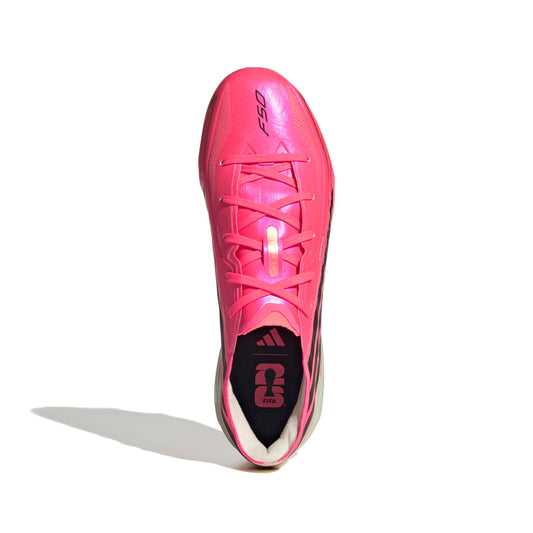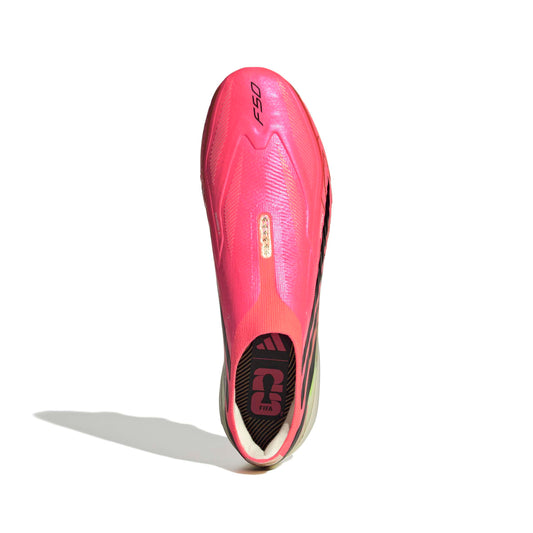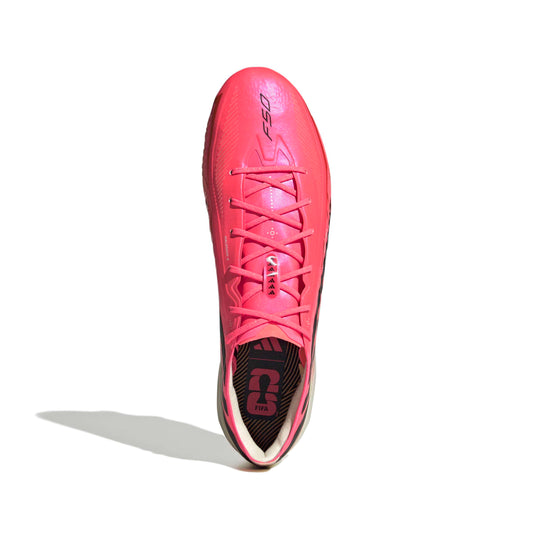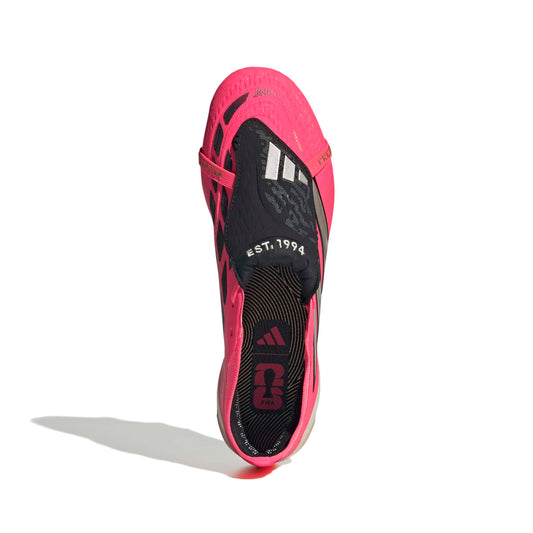
A decent pair of football boots is an investment — whether you spent $80 or $380. But most players treat boot care as an afterthought, then wonder why their boots split, lose grip, or start stinking after a season. The truth is a bit of maintenance after every session can double the life of your boots and keep them performing the way they did on day one.
This guide covers everything: post-game cleaning, drying correctly, breaking in new boots, and knowing when it’s finally time to replace them.
Any player who wants to get more out of their boots — whether you’re a junior playing once a week, a club player training three times, or a parent trying to make a new pair last the whole season. The steps are the same regardless of brand or price point.
After Every Game: The Non-Negotiables
This is the bit most people skip, and it’s where most of the damage happens. Mud, moisture and grass left to dry inside a boot bag overnight do more harm than hours of use on the pitch.
- Knock off the mud immediately. Bang the studs together to dislodge clumps before they dry solid. Dried mud cracks leather and grinds into synthetic uppers.
- Wipe the upper with a damp cloth. A wet rag removes surface dirt in 30 seconds. Don’t wait until tomorrow — it gets harder.
- Remove the insoles. Insoles absorb a surprising amount of sweat. Pull them out and let them air separately.
- Stuff loosely with newspaper or a boot shaper. This absorbs moisture and helps the boot retain its shape as it dries. Scrunched newspaper works just as well as a $20 boot tree.
- Leave them somewhere with airflow. A mesh bag, an open shelf, anywhere the air can circulate. Don’t seal them in a bag.
How to Clean Football Boots Properly
A proper clean — not just a wipe — should happen at least once a week during the season, or after any muddy game.
Leather Uppers (Kangaroo, Calfskin, K-Leather)
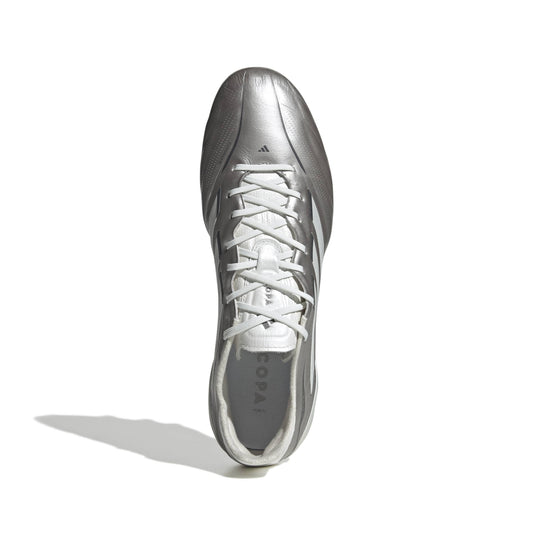
Leather uppers — common on boots like the Puma King, Mizuno Morelia and adidas Copa — need a bit more care than synthetic, but they reward you for it. Leather that’s looked after properly moulds to your foot better over time and can last years.
- Use a soft brush (an old toothbrush works perfectly) to remove dried dirt from seams and stud plates.
- Wipe clean with a lightly damp cloth — not soaking wet. Saturating leather repeatedly will dry it out.
- Once clean and dry, apply a small amount of leather conditioner or boot polish. This keeps the leather supple and prevents cracking.
- Avoid saddle soap — it’s too harsh for most football boot leathers.
Synthetic Uppers
Most boots at every price point now use synthetic uppers. They’re easier to maintain — just brush off dirt, wipe with a damp cloth, and you’re done. No conditioning required. Avoid anything abrasive that might scratch the material.
Knitted / Sock-Fit Uppers
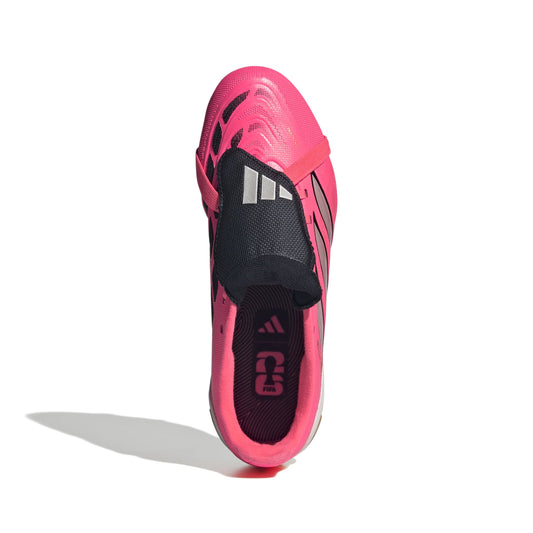
The textured knit found on boots like the adidas Predator requires a softer touch. Use a soft brush or damp sponge in gentle circular motions. Avoid scrubbing too hard — the knit fibres can pull. Let air-dry only; no direct heat.
The Stud Plate
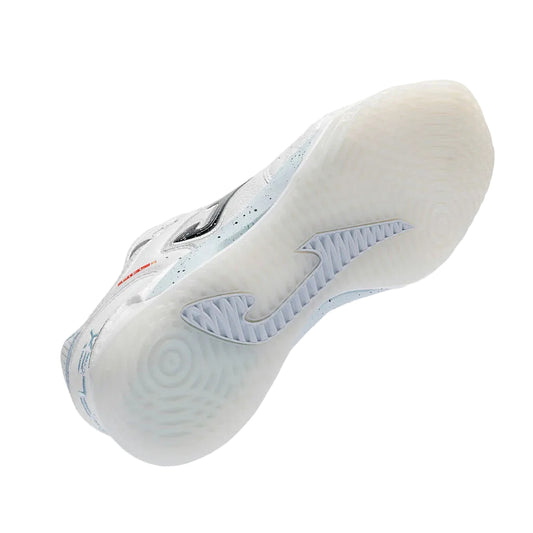
Don’t forget the bottom. Packed mud in the stud channels reduces grip. A stiff brush cleans them out quickly. Check for cracked or worn studs while you’re at it — a snapped stud mid-game is a hazard.
Drying Your Boots the Right Way
This is probably the single thing people get most wrong. Direct heat is the enemy of football boots — full stop.
- No clothes dryers. The tumbling and heat will warp the sole, melt glue joints, and kill the upper.
- No radiators or heaters. Leather dries out and cracks. Synthetic materials warp. Glued seams separate.
- No direct sunlight for extended periods. UV degrades synthetic materials and dries out leather quickly.
The right method: stuff with newspaper, leave at room temperature with decent airflow. If the boots are absolutely sodden — like you’ve played in a Brisbane downpour — change the newspaper out after an hour and replace with fresh dry sheets. Most boots will be dry within 12–24 hours this way.
If you’re regularly playing in wet conditions, it’s worth investing in silica gel packets (the kind that come in shoe boxes). Toss two in each boot overnight and they’ll draw the moisture out efficiently.
How to Break In New Football Boots
Getting new boots? Don’t wear them for the first time in a match. Here’s how to bed them in properly so they’re comfortable from kick-off.
Synthetic Boots
Synthetic uppers don’t stretch much, so the fit you get in the shop is roughly the fit you’ll keep. Wear them for training sessions first — not games. Two or three sessions of lighter use will flex the sole plate and soften any stiff points before match day.
Leather Boots
Leather moulds to your foot over time, so the break-in process matters more here. A few tips that actually work:
- Wear them around the house for 30–45 minutes before your first training session. Walking around in them loosens the leather.
- If there’s a tight spot, dampen that area slightly with a cloth and wear the boot until it dries on your foot. The leather stretches as it dries.
- Use a leather conditioner before the first wear — it softens the upper and makes the break-in quicker.
- Avoid petroleum-based products like Vaseline — they can break down stitching over time.
For a full run-down on choosing the right boot before you even get to breaking it in, check out our football boot buying guide.
Boot Care During the Season
A few habits to build into the season routine:
- Re-lace when laces fray. Broken laces mid-game are annoying and dangerous. Keep a spare pair in your boot bag.
- Check studs regularly. Worn or cracked studs reduce grip and can cause knee stress. On FG boots, check for cracking around the base of each stud. On turf boots, look for flattening of the rubber nubs.
- Re-condition leather every 3–4 weeks. If you’re playing and training regularly, a light coat of conditioner keeps the leather from drying out through the season.
- Rotate if you can. If you’re training 3 times a week and playing on weekends, having two pairs — even a cheap training pair and your match boots — will significantly extend the life of the match boots.
Storing Boots in the Off-Season
If you’re taking a break between seasons, a bit of prep before storage will mean your boots are ready to go when the new season starts.
- Give them a thorough clean before storing — dried mud and salt from sweat will degrade materials over months.
- Condition leather boots before storage.
- Stuff with newspaper or a boot shaper to hold the shape.
- Store in a cool, dry place — not a car boot or a shed where temperature swings are extreme.
- Avoid storing in a sealed plastic bag or box; let them breathe.
When to Replace Your Football Boots
Even with great care, boots have a lifespan. Here’s what to look for:
| Sign | What It Means | Action |
|---|---|---|
| Studs worn flat or snapping | Loss of traction, injury risk | Replace immediately |
| Sole separating from upper | Glue bond has failed | Replace — cobbler repair rarely lasts |
| Upper cracking or splitting | Material degradation | Replace |
| Boot genuinely too tight | Wrong size (especially juniors) | Replace — don’t play through it |
| Cushioning gone flat | Midsole compression over time | Replace insole first, then boot if needed |
| Persistent odour despite cleaning | Bacteria embedded in material | Try anti-bacterial spray first; replace if persistent |
For club-level players training twice a week and playing weekends, a well-maintained mid-tier boot typically lasts 12–18 months. Entry-level boots under heavy use might only get you 6–9 months. Premium leather boots, with proper care, can outlast multiple pairs of cheaper synthetics.
When it’s time for a new pair, see our guide to the best football boots under $150 for our current picks across brands and surface types.
Ready for a New Pair?
Browse our full range of football boots online or come into our Stafford store for a proper fitting. We’ve been helping players find the right boot since 1999 — and we offer free shipping on orders over $150.
Shop All Football BootsFAQs
How do I clean football boots without damaging them?
Use a soft brush to remove dried mud, then wipe with a lightly damp cloth. For leather boots, follow up with a small amount of leather conditioner once dry. Avoid harsh detergents, abrasive scrubbers, or putting boots in the washing machine — all of these damage materials and break down adhesives.
Can I put football boots in the washing machine?
No — and this applies to any boots, leather or synthetic. The agitation and heat will warp the sole plate, damage the upper, and break down the glue holding the boot together. Hand-clean only.
How do I stop my football boots from smelling?
The best prevention is consistent drying — bacteria that cause odour thrive in moisture. Pull out the insoles after every game, air the boots properly, and stuff with newspaper to absorb sweat. If odour is already an issue, an anti-bacterial boot spray applied inside and left to dry overnight usually solves it. Replacing old insoles with fresh ones also makes a big difference.
How long does it take to break in football boots?
Synthetic boots typically feel comfortable after 2–3 training sessions. Leather boots take a bit longer — expect 3–6 sessions before they’ve truly moulded to your foot. The break-in tips above (conditioning, wearing around the house first, gradual introduction) speed up the process considerably.
Is it worth conditioning football boots?
For leather boots — yes, absolutely. A light coat of conditioner every 3–4 weeks keeps the leather supple, prevents cracking, and helps it continue moulding to your foot. For synthetic boots, conditioning does nothing — skip it and just keep them clean and dry.
When should I replace my football boots?
Replace when studs are worn flat or breaking, when the sole is separating from the upper, or when there are holes or cracks in the upper. Don’t play on worn studs — reduced traction puts your knees and ankles at risk. For juniors, check the fit every 3–4 months since feet grow fast.