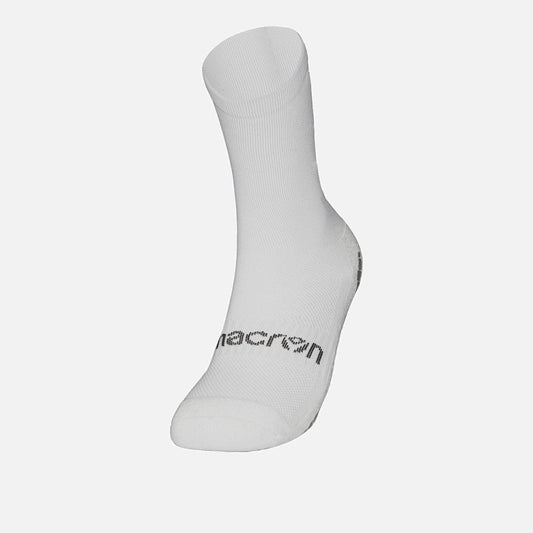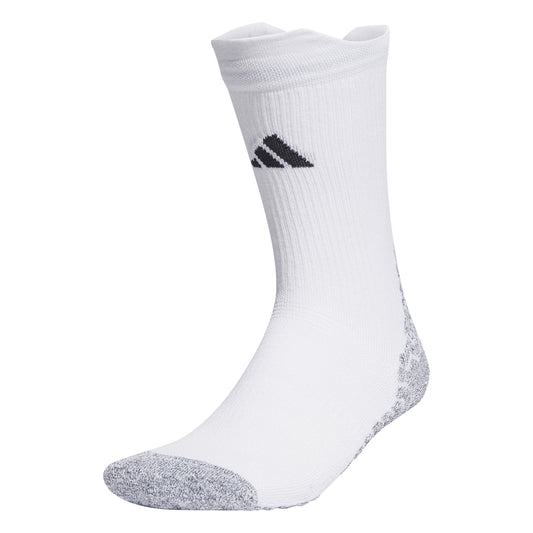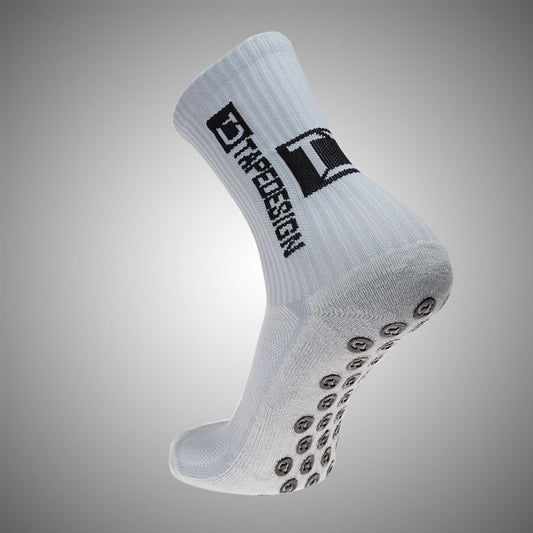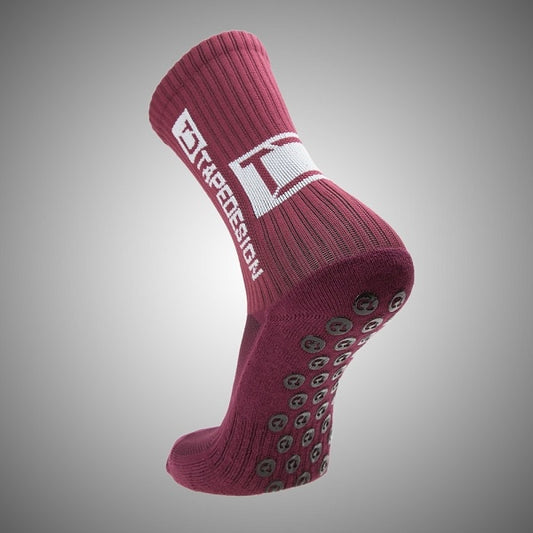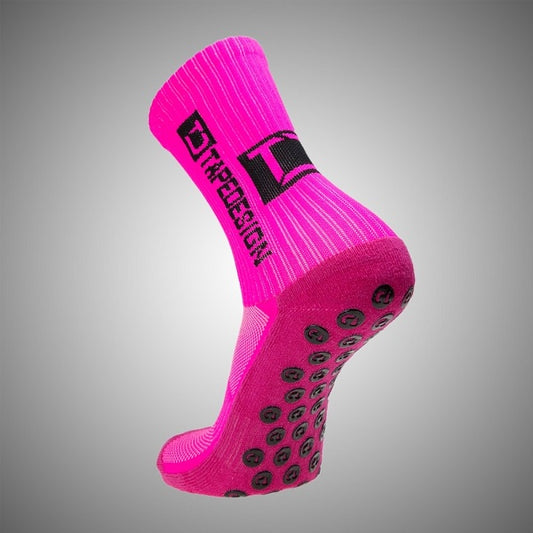
Walk into any football club in Australia right now and look down at the boots. Chances are, at least half the squad is wearing a short ankle sock underneath their team socks — and the foot of the team sock has been cut clean off. That inner sock is a grip sock, and it's quietly become one of the most common pieces of kit across the country.
But are they genuinely worth it, or just another pro trend that trickles down before quietly disappearing? We've sold thousands of them here at Soccer World and heard from players at every level. Here's the honest breakdown.
What is a grip sock?
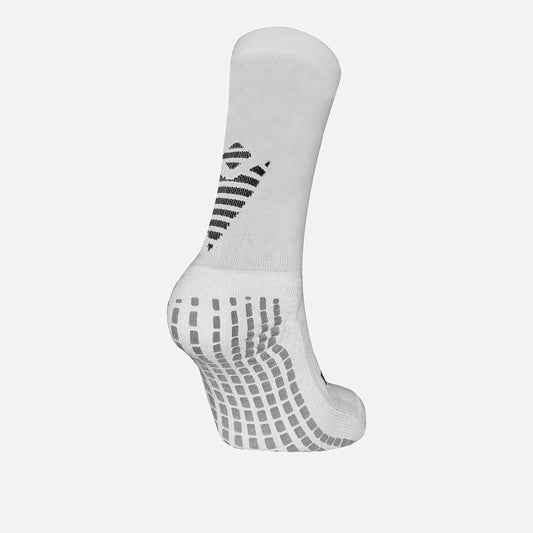
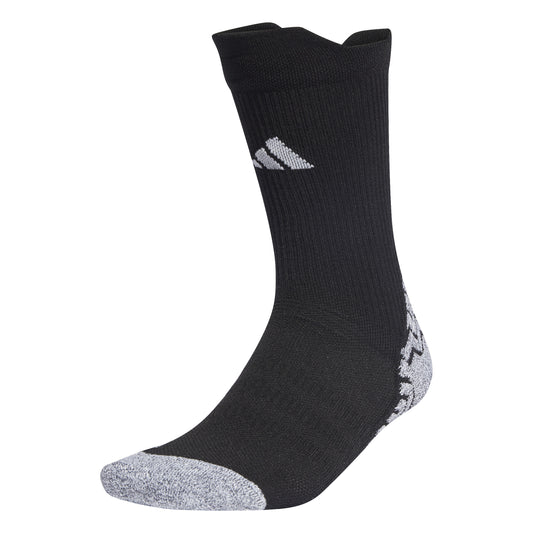
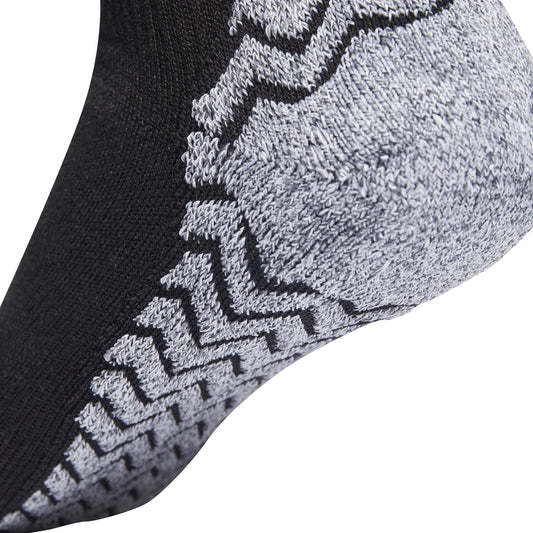
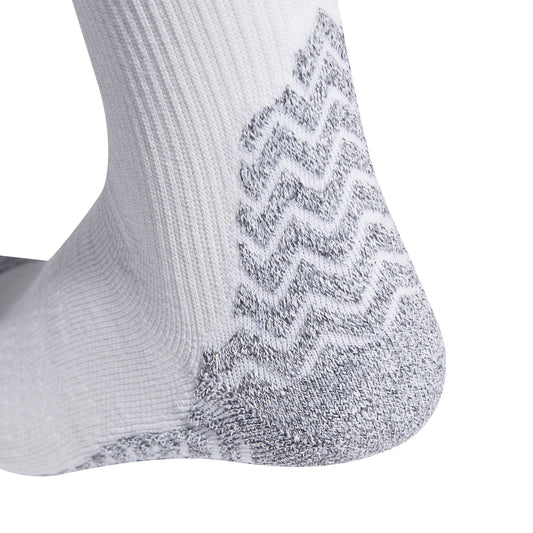
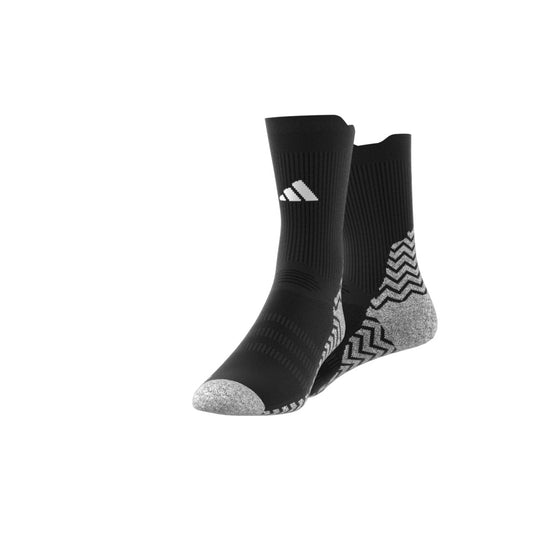
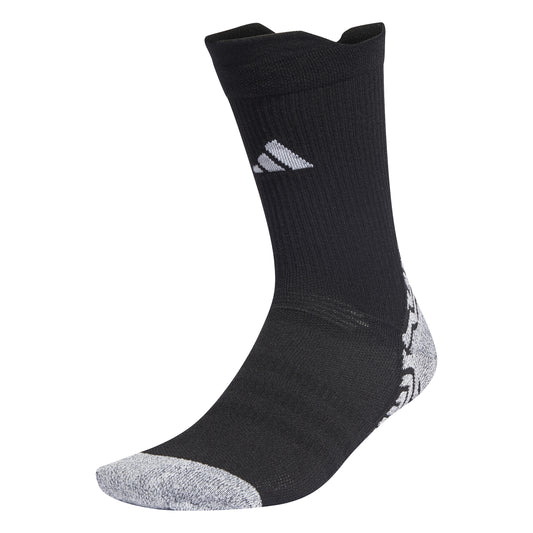
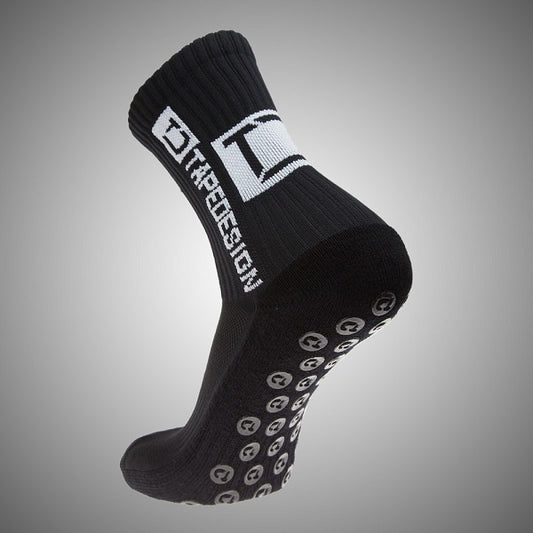
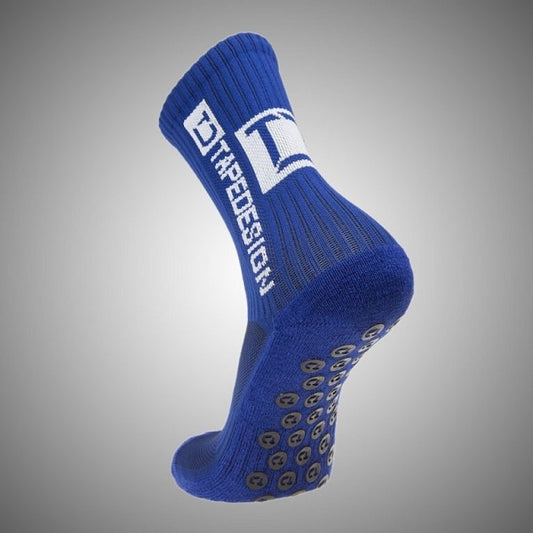
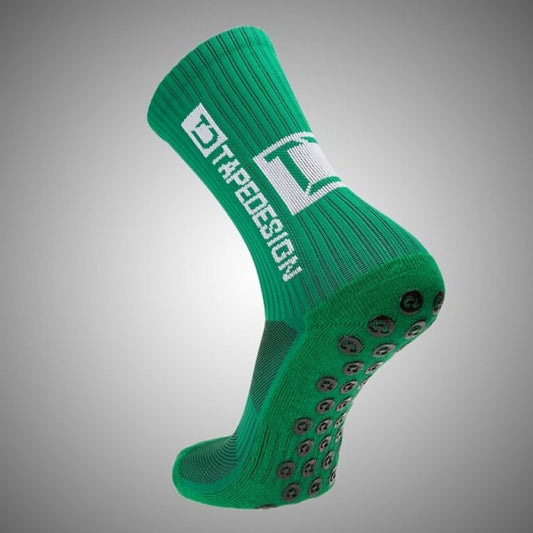
A grip sock is a short, ankle-length sock with rubberised silicone pads on the sole — typically covering the heel and forefoot. The purpose is simple: your foot grips the insole of your boot rather than sliding around inside it.
Most players wear them by putting the grip sock on first, then pulling their team or club sock over the top — cutting the foot out of the team sock so the grip pads stay in contact with the boot. It sounds fiddly the first time, but once you feel your foot locked in, it's hard to go back.

Why do professional players use them?
Watch any Premier League or A-League match closely and you'll see it — players with neatly cut team socks revealing a different sock underneath. This isn't a fashion statement. It's a deliberate performance choice.
Club-issued football socks are designed for appearance and durability, not grip. Inside a modern lightweight boot — particularly the thin upper materials used in today's speed boots — there's very little stopping your foot from sliding laterally when you cut, strike, or change direction at pace.
That micro-movement adds up. It reduces ball feel, slows your reaction to direction changes, and contributes to blisters through repeated friction. Grip socks eliminate that movement entirely — every touch and push translates directly.
- Eliminates foot sliding inside the boot during cuts and direction changes
- Reduces blisters caused by friction between foot and boot lining
- Improves ball feel, especially in thin-upper lightweight boots
- Adds a thin cushioning layer underfoot for longer sessions
- Works with any boot — FG, AG, indoor, or turf
So who actually needs them?
Here's where we'll be direct: not everyone needs grip socks, but more players would benefit than you'd think.
- You wear modern lightweight boots
- You're prone to blisters
- You play on artificial surfaces
- You play futsal or indoor football
- You're a goalkeeper
- Your feet sweat heavily
- You wear leather boots with conforming fit
- You play very infrequently
- Boots already fit with no sliding
- Young junior in stiff moulded boots

How to wear them correctly
First-time buyers often get confused here. Four steps and you're set:
Don't throw away the cut club socks — the leg sleeve is all you need and will last much longer than the full sock. Keep a dedicated set per club.
Choosing the right grip sock
We stock Tapedesign and Cigno — covering the full range of budgets and needs:


Common questions
Yes — most noticeably in thin-upper boots like the adidas X, F50, or Puma Future. In a leather boot like the Copa or Mizuno Wave Cup that already conforms closely to the foot, the difference is smaller but still present. The blister-reduction benefit applies broadly regardless of boot type.
Marginally, yes. If your boots fit true to size with a standard sock you should be fine. If you were already on the tighter end, try a thinner model — or consider sizing up half a size in your next boot purchase. Always try boots on wearing the socks you intend to use.
For young juniors (under 10) in stiff moulded boots, grip socks are less critical. For older juniors (10+) moving into softer performance boots, they're genuinely useful — especially for kids prone to blisters.
Turn them inside out, wash on a cold or warm gentle cycle, and always air dry flat. Tumble drying degrades the rubber grip pads quickly. Treated well, a quality pair will last a full season of weekly play.